The books of the year 2025
[Vikram Mandyam] / 2026-01-31
I’ve been doing these end-of-the-year book lists for 6 years now. You can read all my previous lists here .
This year, my reading wandered into surprising territories. The five books I’m recommending span philosophy, technology, neuroscience, fiction, and fitness—a combination I couldn’t have predicted in January. What drew me to each was different, but looking back, I notice they share something: none of them let me stay comfortable. Each one asked me to unlearn something I thought I knew.
Philosophy
Drg Drsya Viveka by Adi Shankaracharya (translated by Swami Nikhilananda)
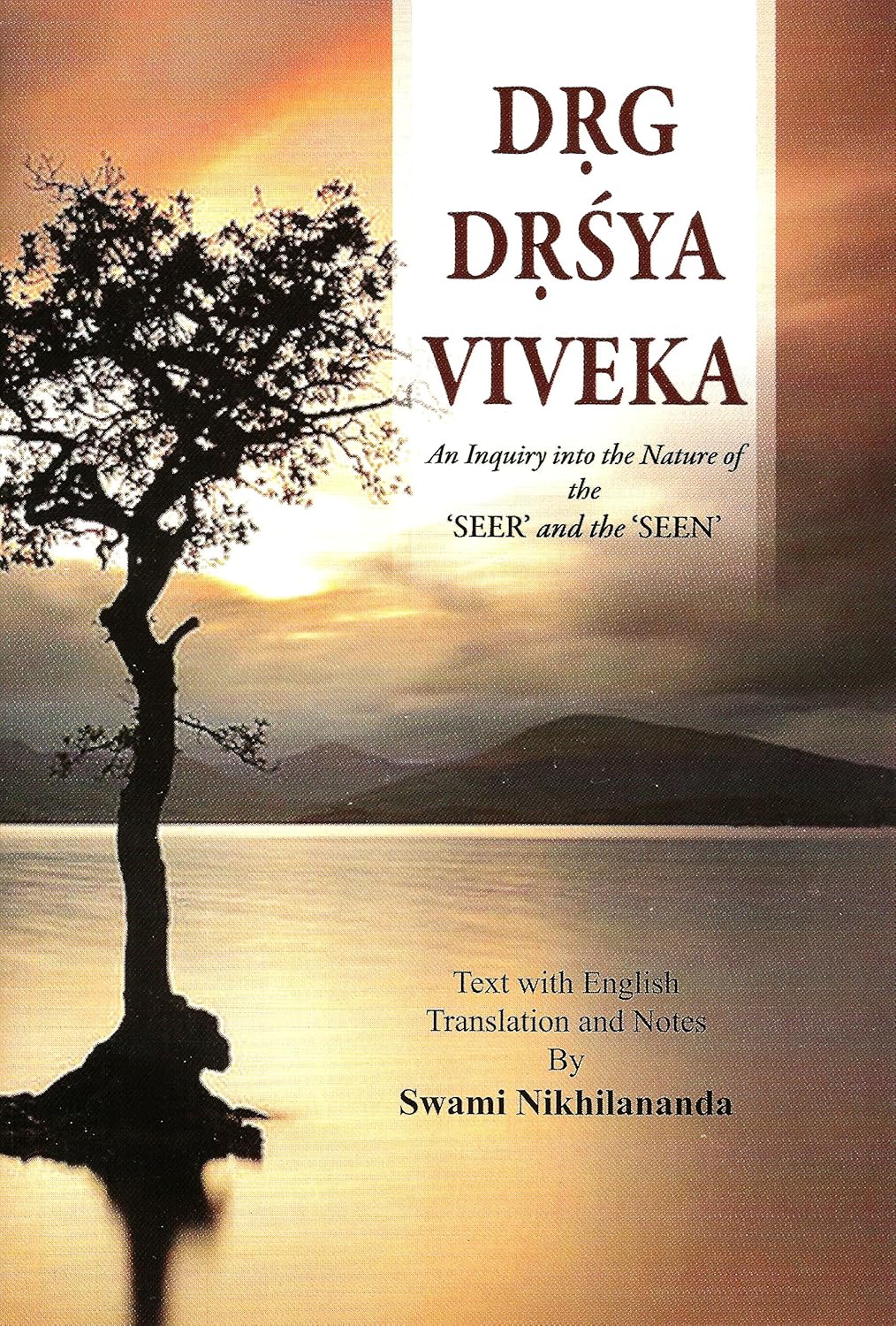
This slim volume of 46 verses came to me at the right time. I got the opportunity to crack it open this year, alongside Swami Sarvapriyananda’s podcast lectures, and I wish I hadn’t waited so long.
The title translates to “The Discrimination Between the Seer and the Seen.” The core inquiry sounds simple: What is it that sees? Your eyes see objects. Your mind sees thoughts. But what sees the mind? Follow this thread long enough, and you arrive somewhere unexpected—at awareness itself, the one thing that can never become an object of perception because it is perception.
I’ve been intellectually circling Advaita Vedanta for years, collecting concepts like souvenirs. This text didn’t let me do that. It’s not philosophy to be understood; it’s a method to be practiced. Each verse is a meditation prompt, not an idea to file away. For the first time, I moved from reading about self-inquiry to actually doing it.
“The eye is the seer and form is the seen. That eye is the seen and the mind is its seer. The mind with its modifications is the seen and the Witness is verily the seer.” — Verse 1
Technical
AI Engineering: Building Applications with Foundation Models by Chip Huyen
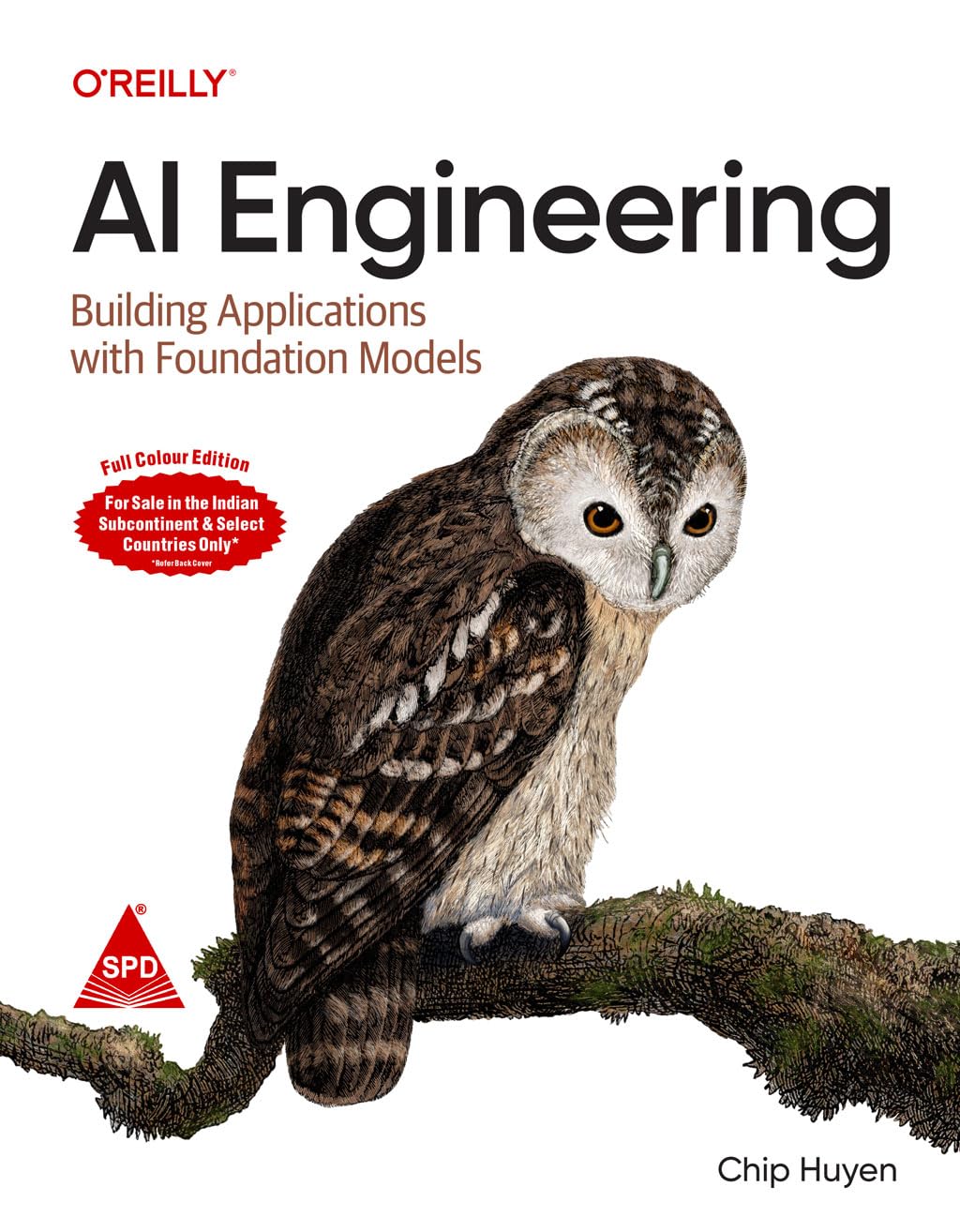
I picked this up because I was tired of feeling like I was fumbling in the dark with LLMs. Chip Huyen—who taught ML Systems at Stanford and shipped AI products at NVIDIA and Snorkel—wrote the book I needed this year.
What makes this book valuable isn’t comprehensiveness; it’s judgment. Huyen knows what matters and what doesn’t when you’re actually trying to build something. The chapters on prompt engineering, RAG, and inference optimization are dense with hard-won lessons. She doesn’t oversimplify, but she also doesn’t drown you in theory. Every concept is tethered to a real problem you’ll face.
The timing couldn’t be better. A year ago, the question was “how do foundation models work?” Now it’s “how do I build something useful with them?” Huyen writes for the second question. If you’re a software engineer trying to figure out where you fit in the AI landscape, start here.
“The more AI is used, the more opportunities there are for catastrophic failures, and therefore, the more important evaluation becomes.” — Chip Huyen
Self-Help
Dopamine Nation: Finding Balance in the Age of Indulgence by Anna Lembke
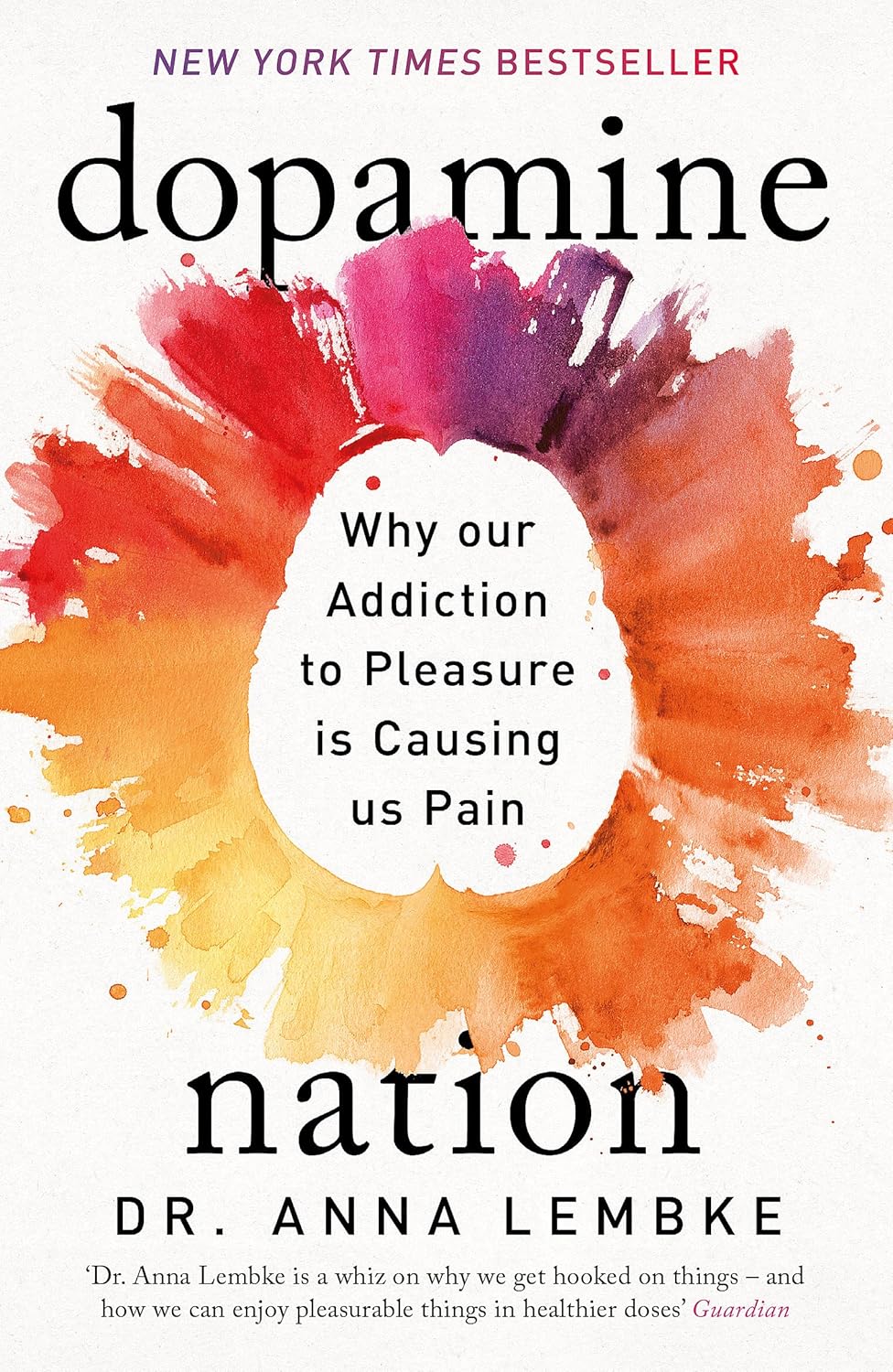
I almost didn’t include this one. “Self-help about dopamine” sounds like the kind of book that restates obvious things in neuroscience jargon. I was wrong.
Dr. Lembke runs the Stanford Addiction Medicine clinic, and she’s seen every flavor of compulsive behavior.
Her central insight is insightful: pleasure and pain are processed in the same brain region and work like a balance. Tip it toward pleasure, and it automatically swings back toward pain. This is why the tenth cookie disappoints, and why chasing highs leads to a lower baseline.
The smartphone is, as she puts it, “the modern-day hypodermic needle, delivering digital dopamine 24/7.”
“We’re all running from pain. We’ll do almost anything to distract ourselves from ourselves.” — Anna Lembke
Fiction
Resurrection Walk by Michael Connelly
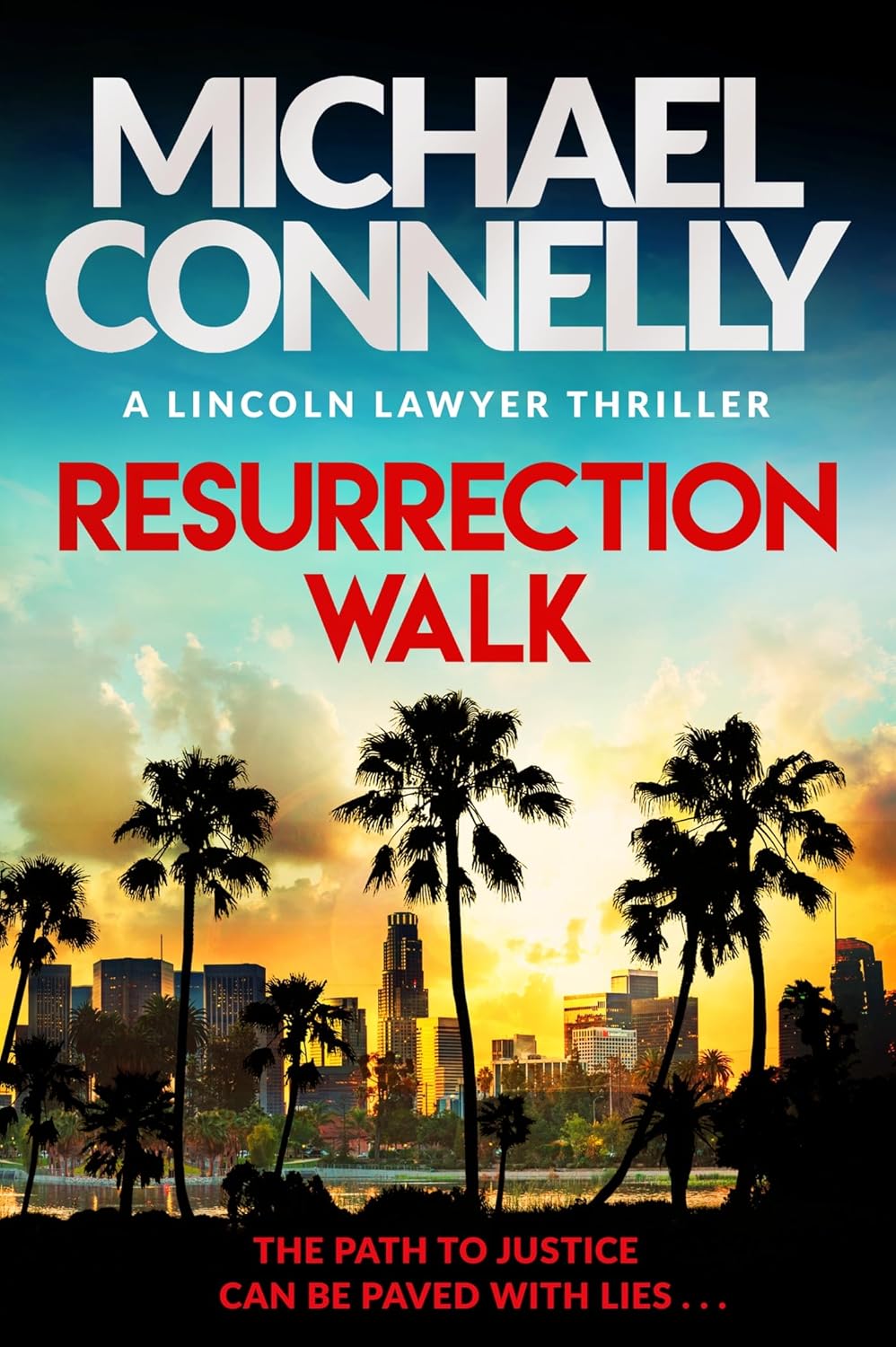
I read a lot of fiction that I enjoy but forget. This one lodged.
Resurrection Walk brings together two of Connelly’s characters: defense attorney Mickey Haller and his half-brother, retired LAPD detective Harry Bosch. Haller has started taking on wrongful conviction cases—the kind where someone has already lost years of their life to prison.
The procedural details are meticulous—forensic evidence, courtroom maneuvering, institutional resistance. But what makes the book stay with you is the weight of the stakes. I found myself thinking about it during the day, wondering how the case would turn.
“Everybody deserves a defense. Even the guilty. Even the ones I’m pretty sure did it.” — Mickey Haller
Exercise
Kettlebell Simple & Sinister by Pavel Tsatsouline
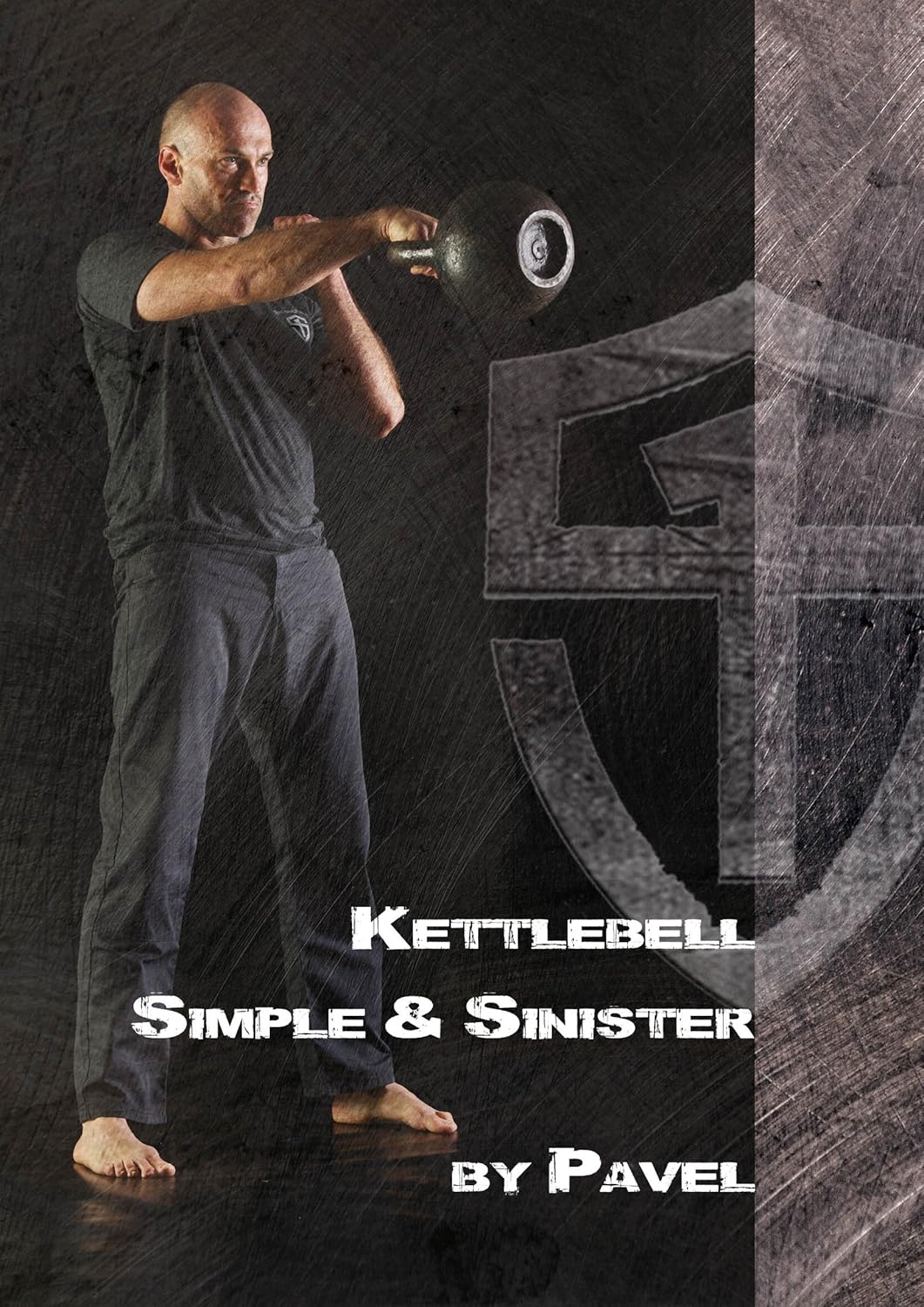
Pavel Tsatsouline introduced the kettlebell to the West in 1998. Simple & Sinister is his most stripped-down program: two exercises—the swing and the Turkish get-up—practiced almost daily. That’s it.
Pavel’s argument is counterintuitive: this minimal approach works better than complicated programs because it allows for perfect practice and full recovery.
I was skeptical. As a 40-something juggling work and family, I’ve tried (and abandoned) plenty of fitness programs that demanded too much time or left me too sore to function. This one asked for 20 minutes and left me energized instead of wrecked. Many months in, I move differently—more solidly, more confidently.
“If you think you are only strong if you can lift a certain number, whatever that number is, you will feel pretty weak most of the time. Strength is not a data point; it’s not a number. It’s an attitude.” — Pavel Tsatsouline
In Closing
Looking back at this list, I notice an unintended theme: discernment. Each book, in its own way, is about learning to tell the difference between two things that look similar—the seer and the seen, the hype and the useful, the pleasure and the satisfaction, the guilty and the innocent, the essential and the extra.
Maybe that’s what good books do. They sharpen your ability to see clearly, to notice distinctions you’d been blurring.
Reading, for me, remains an infinite game . The goal isn’t to hit a number; it’s to keep going, keep being changed by what I encounter. These five books changed me this year. I hope one of them finds its way to you.
Happy reading.